Base Components
Pre-cooked grains, roasted vegetables, prepared proteins, and sauce bases stored in portioned containers. These form the building blocks assembled throughout the week.
Educational service only: Meal system content on this page is general information for planning purposes. It is not a prescribed diet, clinical program, or substitute for advice from a registered healthcare professional.
Our meal system is an educational planning model that helps busy individuals organise food preparation around fixed time blocks. It is not a clinical diet program and makes no outcome claims.
Discuss Your SystemEvery meal system we design rests on three interconnected layers: base components, assembly templates, and flexibility slots. This structure reduces daily decisions while preserving room for spontaneity.
Pre-cooked grains, roasted vegetables, prepared proteins, and sauce bases stored in portioned containers. These form the building blocks assembled throughout the week.
Five to seven combination patterns — bowl, wrap, salad plate, soup base — that mix components differently each day.
Two to three open meals per week reserved for dining out, takeaway, or experimental recipes without disrupting the overall structure.
Separating preparation from daily assembly means you can invest concentrated effort once and benefit across multiple days. Many people find that this separation simplifies weekday cooking — not because of any specific food, but because the process becomes predictable.
Templates rotate every four to six weeks to incorporate seasonal produce availability and prevent menu fatigue without requiring a complete system rebuild.
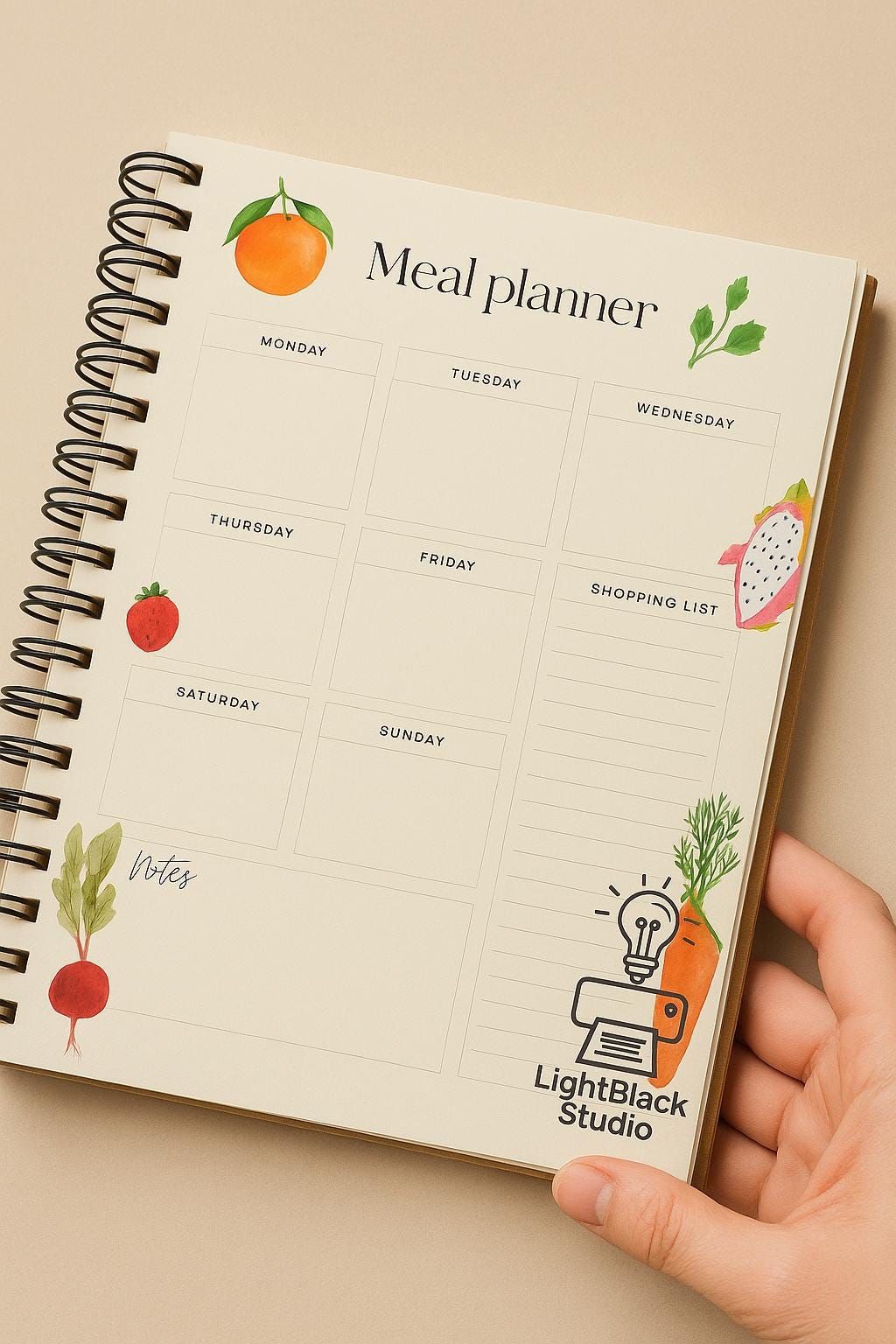
Batch preparation is the cornerstone of our meal system. A single focused session — typically 60 to 90 minutes — produces enough components to cover the majority of weekday meals.
Three rotating breakfast options requiring five minutes or less: overnight oats variation, egg-based preparation, and a no-cook assembly with fruit and nuts.
Lunch containers designed for office refrigeration. Focus on stable textures, leak-resistant packaging, and components that reheat evenly or serve well cold.
Dinners built from remaining batch components supplemented with a fresh element — a quick-cooked protein, steamed greens, or warm bread.
A short list of approved snack combinations to reduce impulsive purchasing when energy dips between main meals.
Reserved meals for social dining or simplified cooking. These maintain system integrity while acknowledging that not every meal fits a template.
The following is an example structure for educational purposes. Customised systems vary based on individual consultation inputs.
This sample week demonstrates how components rotate through assembly templates. It is not a prescribed menu and should not be interpreted as dietary instruction. Your customised educational system will reflect your preferences, household size, and schedule constraints identified during consultation.
This table compares organisational approaches to weekday eating. It describes planning processes only and makes no claims about physical, medical, or health-related outcomes.
| Daily Moment | Unstructured Weekday | Structured Weekday |
|---|---|---|
| Morning | Deciding what to eat while getting ready for work | Choosing from three pre-planned breakfast options |
| Midday | Searching for nearby lunch options with limited time available | Retrieving a pre-assembled container from the office fridge |
| Evening | Starting cooking from zero after a long day | Combining batch components with one fresh element in minutes |
| Shopping | Multiple unplanned grocery trips during the week | One structured shop based on a prepared ingredient list |
| Weekend | No food preparation rhythm established | Focused batch session producing components for the week ahead |
A standard home kitchen with an oven, stovetop, and basic storage containers is sufficient. We tailor batch recipes to the equipment you already own rather than recommending new purchases.
Yes. Single-person systems use smaller batch quantities and emphasise components that freeze well for the following week, reducing waste and preparation frequency.
No. Our approach focuses on food variety, portion awareness through visual guides, and balanced component ratios rather than numerical calorie tracking.
Contact our Haymarket team to discuss how a structured meal planning education program could fit your schedule and food preferences.
Start a Conversation